

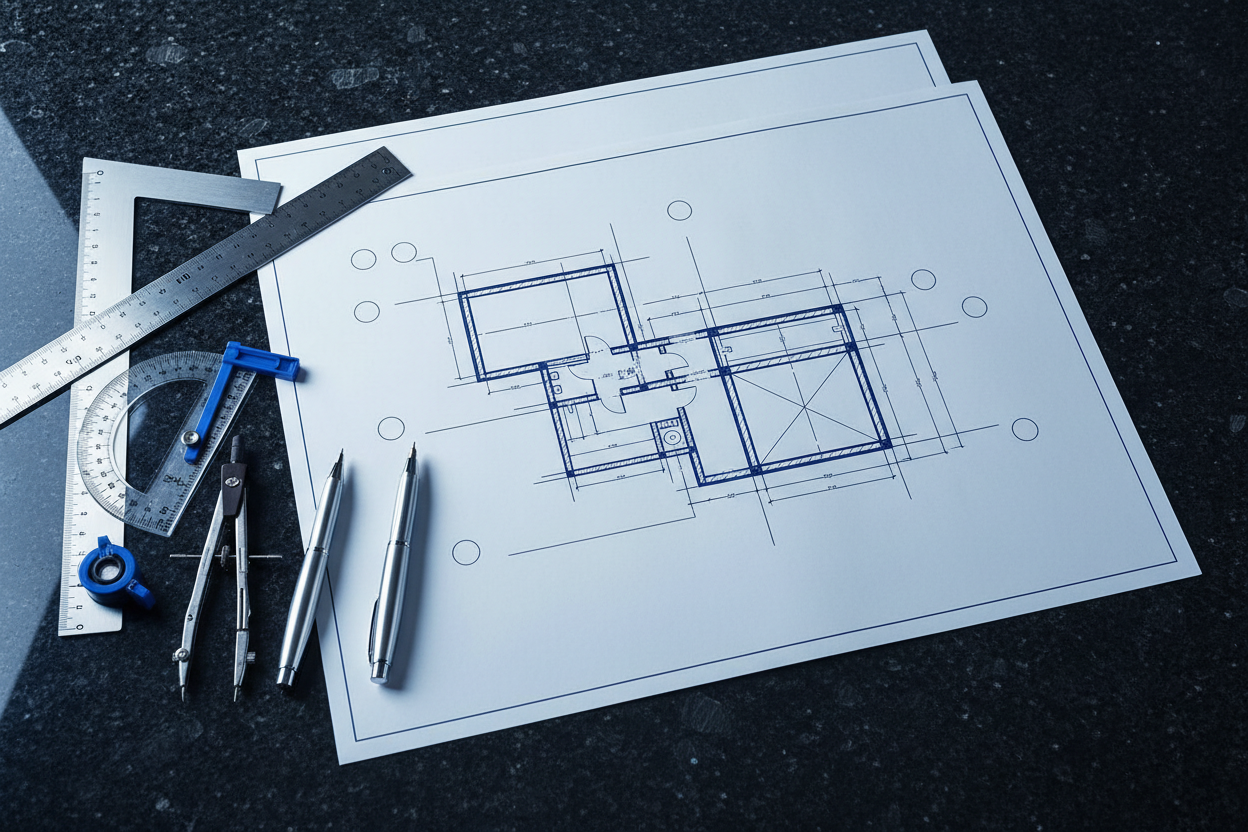


A commercial tenancy can be a valuable source of income, but it also creates exposures that are easy to underestimate. A fire, storm event, burst pipe or liability claim may affect more than the building itself. It can interrupt rent, delay a tenant’s operations and place unexpected pressure on your cash flow. Commercial property insurance for landlords is designed to help protect the asset and the income it supports when insured events cause loss or damage.
The right cover is not simply the policy with the largest sum insured. It starts with a clear view of the property, lease obligations, tenant activities and the financial impact of a long repair period. This is where informed insurance advice can make a practical difference.
What commercial landlord cover is designed to protect
Commercial landlord insurance generally centres on a property that is leased to a business or organisation. This may include an office, shop, warehouse, factory, medical suite, industrial unit or mixed-use premises. The owner’s risks differ from those of the tenant, who will usually arrange cover for their own stock, equipment and business activities.
A commercial property policy can respond to physical loss or damage to insured buildings caused by events listed in the policy, such as fire, storm, impact, water damage, vandalism or theft. The precise cover depends on the insurer and policy wording. Some events may be included automatically, while others require a specific option, sub-limit or endorsement.
For landlords, protection commonly extends beyond the walls, roof and fixed services. Depending on the policy, it may also include landlord-owned fittings, carpets, air-conditioning units, security systems, signage, external structures and other improvements that form part of the premises.
The central question is straightforward: if the property could not be used after a serious insured event, what would it cost to repair it and how would the loss affect your income and legal responsibilities?
Key covers to consider in commercial property insurance for landlords
Building replacement and reinstatement
The building sum insured should reflect the cost to rebuild or reinstate the property following a total loss, rather than its sale price or loan balance. Construction costs, demolition, professional fees, debris removal and the cost of meeting current building requirements can all affect the amount required.
Underinsurance can have serious consequences. If the declared value is too low, the available settlement may not cover the full cost of rebuilding. In some circumstances, an insurer may reduce a claim payment where the property was materially underinsured. Regular valuation reviews are particularly relevant for older buildings, specialised premises and properties that have been renovated or extended.
Loss of rent and increased costs
If a covered event makes the premises untenantable, the rental income may stop while repairs are underway. Loss of rent cover can help replace rent that would have been received during the insured period of interruption. It may also cover reasonable additional costs incurred to reduce the interruption, subject to the policy terms.
The appropriate indemnity period deserves careful consideration. A straightforward repair may take months, while substantial damage can involve engineering assessments, permits, builder availability, supply delays and compliance work. For many commercial properties, a 12-month period may not provide enough breathing room. The right period depends on the building, location, likely repair complexity and the income you need to protect.
Property owner’s liability
As a property owner, you may be held legally liable if someone suffers injury or property damage in connection with the premises. A loose awning, damaged handrail, poorly maintained car park or water leak affecting a neighbouring tenancy can create a claim.
Public liability cover can assist with legal defence costs and compensation payable for a covered claim. However, the division of responsibilities between landlord and tenant should be clear in the lease. A tenant’s own public liability insurance does not remove every exposure faced by the owner, particularly where maintenance or common areas remain under the landlord’s control.
Landlord contents and improvements
Landlords may own items within the premises that are not part of the building structure. This could include appliances, furniture in a fitted office, shelving, window coverings or equipment supplied under the lease. These assets should be identified and insured appropriately rather than assumed to fall within the building cover.
Likewise, fit-out ownership can become unclear when a tenancy changes hands or works are completed during a lease. Keeping records of invoices, scope of works and lease provisions can make it easier to establish who is responsible for insuring particular items.
The lease matters as much as the policy
Insurance should be considered alongside the lease, not in isolation. Commercial leases often set out which party is responsible for building insurance, glass, public liability, repairs, maintenance, outgoings and insurance excesses. The obligations can vary significantly between retail, industrial and office arrangements.
A lease may require the tenant to insure its own contents and business interruption, while the landlord insures the building. It may also permit the landlord to recover insurance premiums as an outgoing, subject to the relevant lease terms and applicable requirements. These arrangements should be understood before a loss occurs.
Pay close attention to provisions concerning damage and destruction. If the building is damaged, does rent abate? Can either party terminate the lease if repairs take too long? Is there an obligation to reinstate? The answers affect the level and duration of income protection needed.
Common gaps that can leave landlords exposed
The most costly insurance gaps are often created by assumptions. A landlord may believe a tenant’s policy covers damage to the building, or assume the building’s market value is sufficient for rebuilding. Neither assumption is reliably safe.
Vacancy is another issue. Insurers may apply different conditions when a property is unoccupied for an extended period, particularly around inspections, security, maintenance and water isolation. A change in occupancy, tenant activity or use of the building can also alter the risk. For example, a warehouse used for low-risk storage presents a different exposure from one used for manufacturing, food processing or vehicle repairs.
Flood, storm surge, subsidence, gradual deterioration, wear and tear, defective workmanship and certain water damage scenarios may be treated differently under policy wordings. These are not minor technicalities. They are the details that determine how a policy responds when a claim is made.
Strata-titled commercial properties need particular care. The owners corporation may insure the building, but its policy may not protect all internal improvements, loss of rent, liability exposures or excesses relevant to an individual lot owner. Reviewing the strata insurance and your own obligations helps avoid overlap as well as gaps.
Set the right foundations before a claim
Good property protection is partly about insurance and partly about practical risk management. Maintaining roofs, gutters, drains, fire systems, electrical installations and security measures can reduce the likelihood and severity of loss. Documented inspections are especially valuable for vacant premises, older buildings and locations exposed to storm or bushfire risk.
Keep building plans, maintenance records, photographs, tenancy details and lease documents accessible. After an incident, these records can support a faster, clearer claims process. Landlords should also notify their insurer or adviser promptly when a significant event occurs, even where the full extent of damage is not yet known.
Before renewal, review changes to the property and its use. Recent renovations, rent increases, a new tenant, extended vacancy or changed business activities may all warrant an adjustment to cover. Insurance arranged several years ago may no longer reflect the property you own today.
Advice that reflects the property and the investment
Commercial property insurance is most effective when it is built around the real exposures of the landlord, not a generic description of the premises. An informed review considers the building’s replacement value, tenant profile, lease obligations, potential rental interruption and liability responsibilities together.
For landlords, that approach provides more than a policy document. It creates a clearer plan for protecting the asset, the income it generates and the financial security you have worked to build. A regular conversation with an insurance adviser can help ensure your cover remains aligned with what matters most as the property, tenancy and market conditions change.